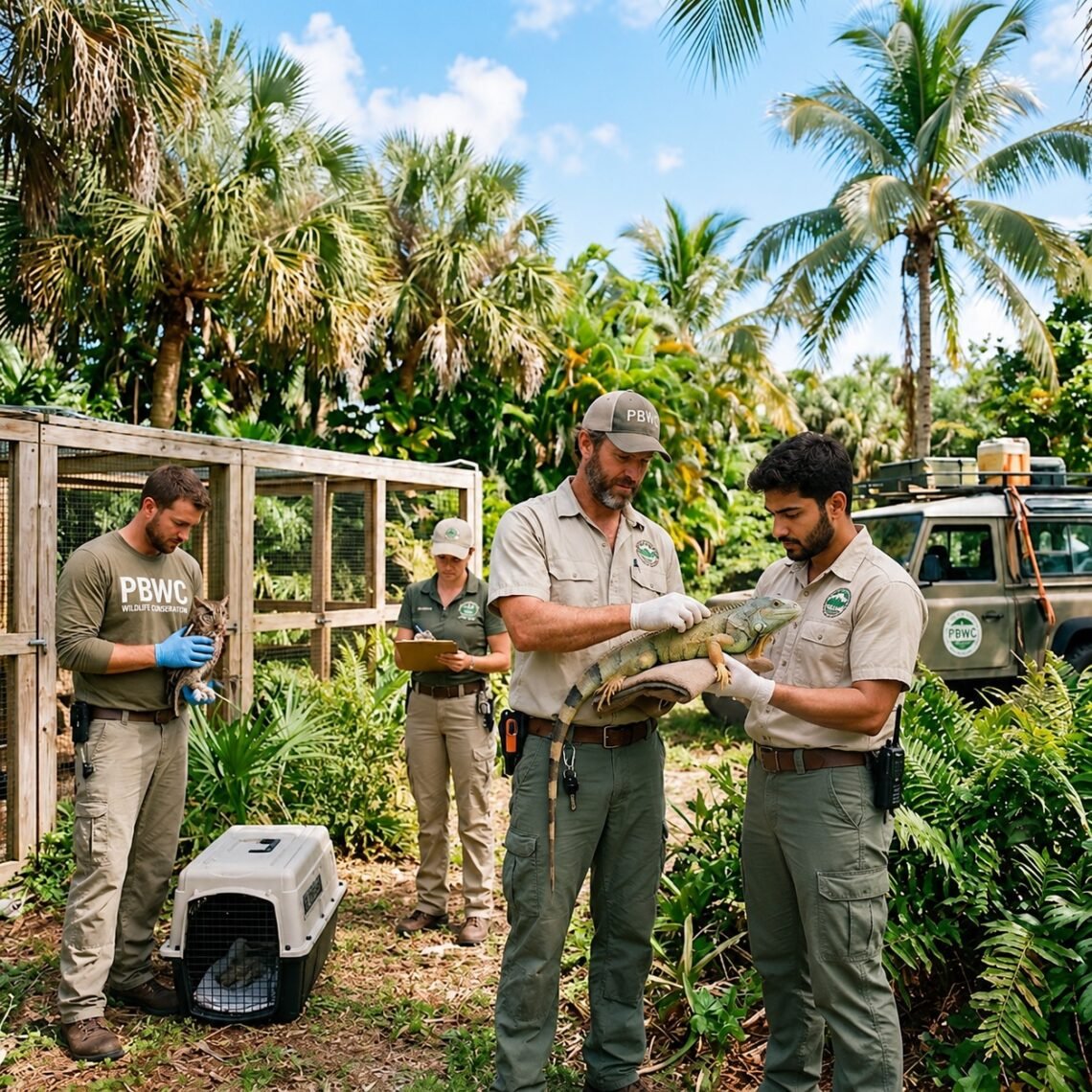
Palm Beach County’s lush landscapes, warm climate, and proximity to the Everglades make it one of Florida’s most biodiverse regions. Raccoons rustle through backyards at dusk, squirrels nest in attic corners, and the occasional iguana suns itself on a pool deck. For residents, these encounters are part of everyday life in South Florida—but they don’t have to be a source of stress or property damage.
Understanding the local wildlife, recognizing the signs of an unwelcome visitor, and knowing when to call in professional help can transform a potentially frustrating situation into a manageable one. This guide walks through the most common wildlife challenges Palm Beach homeowners face and offers practical strategies for handling them safely and humanely.
Why Palm Beach Attracts So Much Wildlife
Palm Beach’s subtropical climate creates ideal conditions for a wide range of species to thrive year-round. Unlike colder regions where animals hibernate or migrate, Florida’s wildlife remains active in every season, which means homeowners can encounter critters at any time of year.
The area’s mix of residential neighborhoods, waterways, and green spaces gives animals plenty of places to forage, nest, and travel between habitats. Attics, sheds, crawl spaces, and dense landscaping often look just as inviting to a raccoon or opossum as a natural den would.
Common Species Found in Residential Areas
Homeowners in Palm Beach frequently report encounters with:
- Raccoons – Known for raiding trash cans and nesting in attics or chimneys
- Squirrels – Often found chewing through soffits or wiring in search of nesting spots
- Opossums – Generally harmless but can take up residence under decks or porches
- Iguanas – An invasive species that burrows near foundations and seawalls
- Bats – Frequently found in roof voids and eaves, especially during maternity season
- Snakes – Drawn to yards with dense brush, woodpiles, or rodent activity
While most of these animals prefer to avoid humans, they’ll take advantage of easy shelter and food sources whenever available.
Signs You Might Have an Unwanted Guest
Wildlife intrusions aren’t always obvious right away. Homeowners often notice subtle clues before spotting an animal directly.
Sounds and Smells
Scratching or scurrying noises in the attic, especially at dawn or dusk, often signal nocturnal activity from raccoons or squirrels. A persistent musty or ammonia-like odor can indicate a den site or accumulated droppings.
Physical Damage
Torn screens, chewed wiring, and gaps in soffits or roof vents are telltale signs that an animal has found a way inside. Displaced insulation or scattered debris in the attic is another common indicator.
Outdoor Clues
Overturned trash cans, disturbed garden beds, and paw prints near entry points suggest that wildlife is visiting the property regularly, even if it hasn’t moved in permanently.
What to Do When You Spot Wildlife on Your Property
The right response depends heavily on the species involved and where the animal is located. A general rule of thumb: the less direct interaction, the better—for both the homeowner’s safety and the animal’s well-being.
Keep a Safe Distance
Wild animals can carry diseases such as rabies or parasites, and cornered animals may act defensively. Homeowners should avoid approaching, feeding, or attempting to trap wildlife without proper training.
Secure Food Sources
Trash cans with locking lids, pet food kept indoors, and fallen fruit cleared from yards all reduce the incentives that draw animals closer to the home.
Seal Entry Points
Small gaps around rooflines, vents, and foundation cracks are often enough for a determined squirrel or rat to squeeze through. Sealing these openings—ideally after confirming no animals remain inside—helps prevent future intrusions.
Why DIY Wildlife Removal Often Falls Short
It’s tempting to handle a wildlife problem with a store-bought trap or a quick internet search, but these approaches frequently fail to address the root of the issue. Animals may be relocated only to be replaced by new ones drawn to the same unsecured entry points. Improper trapping can also violate Florida wildlife regulations, particularly for protected species.
Beyond the legal considerations, there’s a safety factor. Handling an animal incorrectly increases the risk of bites, scratches, or exposure to zoonotic diseases. It can also cause unnecessary stress or harm to the animal itself.
The Value of Professional Wildlife Management
Comprehensive removal, humane handling, and long-term prevention delivered by trained specialists is exactly what Palm Beach Wildlife Services provides for homeowners dealing with persistent wildlife issues. Professional teams bring the tools, permits, and species-specific knowledge needed to resolve encounters safely—whether that means humanely trapping a raccoon family in an attic, safely relocating a nesting bat colony in compliance with state guidelines, or identifying and sealing every possible entry point around a home’s exterior.
A thorough inspection typically uncovers more than homeowners expect: secondary entry points, evidence of multiple species, or structural damage that’s been quietly worsening. Addressing these issues comprehensively, rather than treating symptoms one at a time, is what separates a lasting solution from a temporary fix.
Professional services also bring peace of mind. Knowing that wildlife has been removed safely, entry points have been sealed correctly, and any damage has been assessed means homeowners can stop worrying about repeat visitors or hidden problems in hard-to-reach areas like attics and crawl spaces.
Protecting Your Home Without Harming Local Wildlife
Palm Beach’s rich biodiversity is part of what makes the region so appealing to live in, but that same biodiversity means occasional friction between wildlife and residential life is inevitable. The good news is that most conflicts are manageable with the right combination of awareness, prevention, and professional support when needed.
Homeowners who stay alert to the early signs of animal activity, secure their properties against easy entry, and know when to call in trained experts are far better positioned to enjoy their homes without unwelcome surprises. Wildlife and homeowners can share the same neighborhood—it just takes a little knowledge and the right support to make that coexistence work smoothly.