Most of a household’s electricity bill goes to a small number of loads, and understanding them is the first step toward reducing it. Heating and cooling dominate in most climates, always-on appliances run quietly in the background, and standby power drains a little from everything. The shares vary by home, but the pattern is consistent. This article breaks the bill into three groups and explains how each one drives up costs, so you can decide where to act first. The first step is to measure, because the shares are often different from what people assume. A cheap energy monitor can show which circuits carry the load, and the result is usually a surprise.
Heating and Cooling
Share of the bill from AC and heating
Heating and cooling are usually the largest share. Air conditioning, electric resistance heat, and heat pumps can account for half the bill in a climate that needs them, and the share rises in older homes with poor insulation. Anyone asking how much is a generator to cover the bill should start here, because this is where the biggest savings are. A few degrees of adjustment and a well-sealed house can move the number more than any small appliance change. A heat pump moves heat rather than making it, so it can be several times more efficient than resistance heating. That difference shows up in the bill every month of the heating season. Know which system you have.
How usage habits change the cost
Usage habits change the cost as much as the equipment. A thermostat set a few degrees higher in summer or lower in winter, a fan instead of the air conditioner, and a scheduled setback while the house is empty all reduce the load. The behavior is free, and it compounds over a season. The same household can see very different bills with the same equipment, simply because of how the controls are used. A programmable thermostat is the cheapest efficiency upgrade in most homes, because it removes the need to remember. Set it once, and the house runs on the schedule instead of on mood. The schedule does the work.
Always-On Appliances
Water heaters and fridges running continuously
Always-on appliances are the second group. A water heater and a fridge run around the clock, and together they can account for a fifth of the bill. An old fridge in a hot garage is especially expensive, because it works harder in the heat. A water heater set too high wastes energy every hour. These loads are easy to forget because they are invisible, but they add up every day of the year. A fridge in a hot garage works harder than one in a cool kitchen, and a second fridge for drinks can be one of the most expensive appliances in the house. Consider whether it is worth running.
Efficiency gaps in older appliances
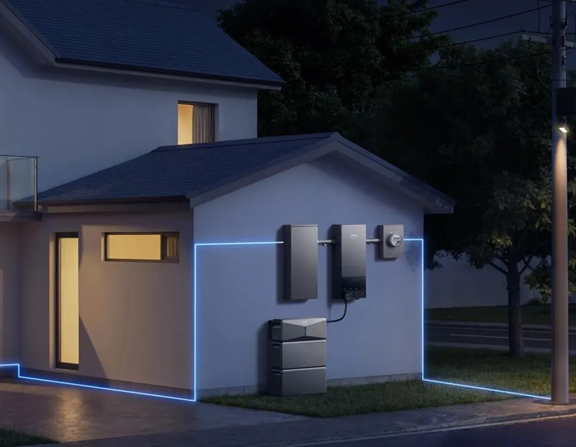
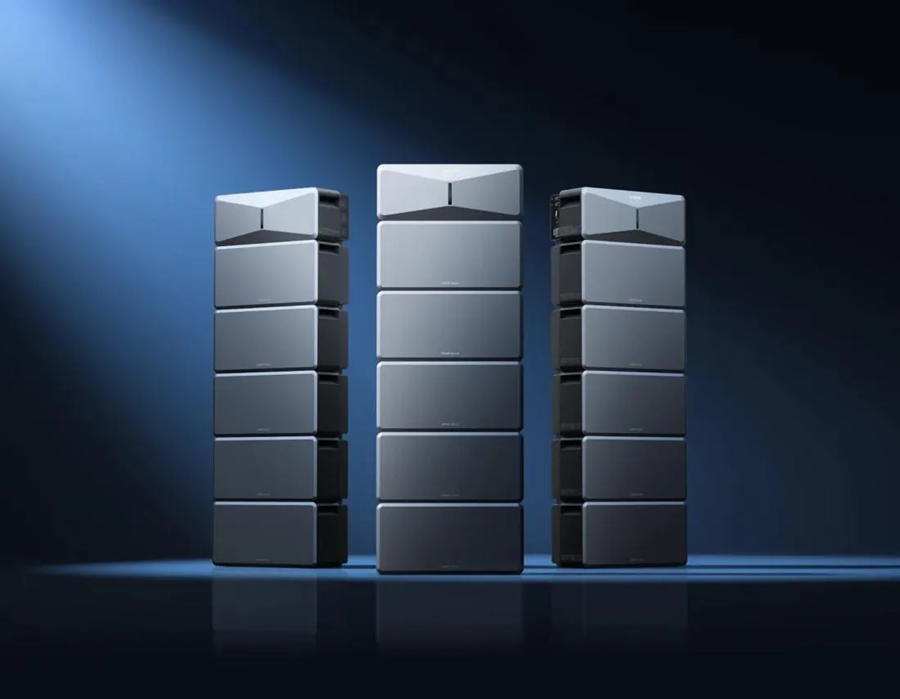
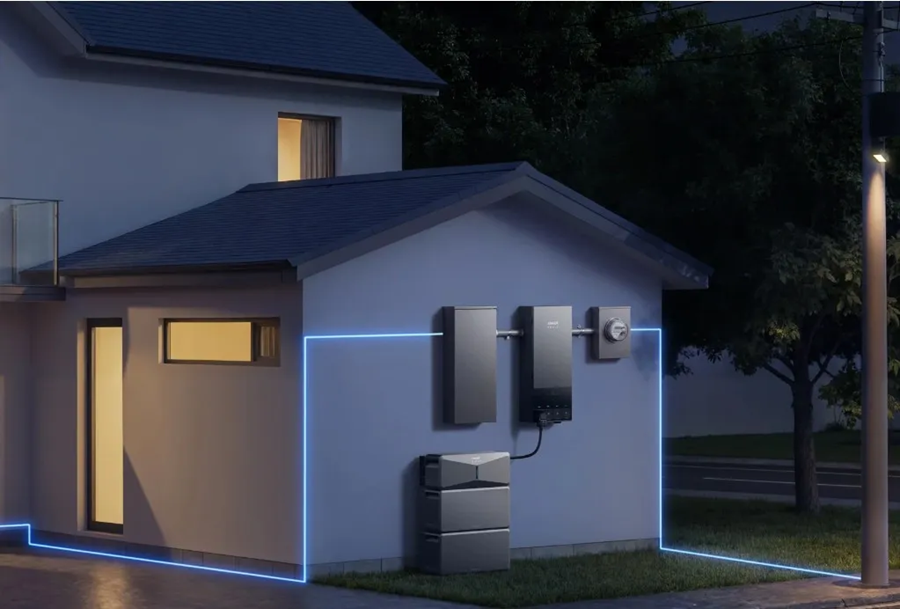
Efficiency gaps in older appliances widen the problem. A fridge from twenty years ago can use twice the electricity of a modern one, and a water heater with a failing element works longer for the same result. Replacing the worst offenders is often cheaper than adding capacity elsewhere. Efficiency is the cheaper first step: a modern fridge can pay back its price in a few years through lower bills, and a heat pump water heater can do the same. The upgrade is also a form of backup, because a smaller load is easier to carry—and a smaller load is what lets a unit like the Anker SOLIX E10 run a modern fridge and a heat pump water heater on its 7,680W of continuous output without straining. The efficiency upgrade still comes first, and with solar charging, the lower load turns into lower bills too.
Standby Consumption
Hidden waste from standby power
Standby consumption is the third group and the easiest to overlook. Televisions, game consoles, chargers, and smart speakers draw power even when they are off, and the total can be several percent of the bill. A smart strip that cuts power to a group of devices when they are idle solves most of it. The savings per device are small, but the number of devices is large, and the habit costs nothing after the strip is installed. A smart strip pays for itself in a season, and it removes the need to crawl behind the television. Look for one that senses the main device and cuts the rest automatically. That is the easy version.
Savings from unplugging and smart strips
Unplugging is the manual version of the same fix. Chargers that stay warm are drawing power, and a printer that wakes up on its own is doing the same. Group the devices that share a schedule on one strip, and switch it off at night. Keep the router and the fridge on their own circuits, since they need to run continuously. A simple label on the strip prevents accidental shutdowns. A label on the strip prevents someone from switching off the router by mistake. Keep the important circuits separate, and the rest can go dark at night without consequence. Label it clearly.
Conclusion
Heating, always-on, and standby are the three main consumers, and each one calls for a different response. Heating rewards insulation and habit changes, always-on appliances reward efficiency upgrades, and standby rewards a smart strip and a little discipline. Start with the largest share, measure the result, and move to the next. The bill is not a single number; it is a set of habits. The bill is a mirror of the household’s habits and equipment. Change the largest line first, measure the result, and use the savings to fund the next step. The order matters more than the effort. Start with the biggest number. Measure again after a month. Then repeat it next season.
Read also: Why a Light Material Bucket Is Rated by Volume and Not by Weight


One thought on “What Are the Main Household Electricity Consumers?”