Standing ankle-deep in murky water after a heavy rain is never the situation any Philadelphia homeowner wants to face. When a drain backs up, the urge to clear it as quickly as possible is understandable. Many expect an immediate fix, but seasoned plumbers in Philadelphia often pause before reaching for their drain cleaning tools. They rely on camera inspections—a process that involves guiding a waterproof video camera into your drain lines—to determine what’s really causing the blockage. This inspection isn’t an unnecessary step; it’s a targeted approach that prevents guesswork and costly mistakes. By seeing the inside of the pipe, plumbers can diagnose the problem accurately, whether it’s a simple grease clog, a collapsed section of pipe, or invasive tree roots. This leads to more effective and lasting repairs, rather than repeated emergency calls for the same stubborn drain.
Why Philadelphia Plumbers Use Camera Inspections Before Drain Cleaning
Philadelphia’s aging infrastructure means homes and businesses often have drain lines that are decades old, with materials like clay, cast iron, or outdated plastic piping. Camera inspections give plumbers a real-time look at these pipes, allowing them to spot not just obvious blockages but also hidden issues such as cracks, corrosion, or root intrusion. For example, a plumber might discover that what seems like a simple clog is actually the result of a collapsed pipe beneath a sidewalk, which no amount of plunging or snaking would resolve.
Camera inspections also help prevent unnecessary excavation. Without this technology, plumbers might need to dig up portions of a yard or break through a basement floor just to locate the source of a problem. Instead, the camera pinpoints the exact location and nature of the issue, reducing disruption for homeowners. Understanding how video pipe inspection works helps clarify why this step is now standard practice in Philadelphia’s plumbing industry.
By incorporating camera inspections into their diagnostic process, plumbers ensure they don’t miss underlying problems that could cause future backups, saving homeowners time and money in the long run.
How Sewer Camera Inspections Reveal Clogs and Pipe Damage
Sewer camera inspection before Drain Cleaning in Philadelphia provides clear visual evidence of what’s happening inside drain lines. The process uses a flexible rod with a high-resolution camera, which transmits live video to a monitor. As the camera moves through the pipe, it captures images of obstructions—whether that’s a solid mass of grease, a tree root growing through a joint, or a collapsed section blocking the flow of water.
This visual confirmation is critical, as it often reveals multiple issues. For example, a plumber may spot both a minor blockage and early signs of pipe corrosion during the same inspection. This means they can address immediate concerns and help homeowners plan for future repairs before a small issue becomes a major problem.
Having access to a real-time view of the pipe’s interior removes the guesswork from diagnosis and ensures that the cleaning method selected is truly appropriate for the situation. The benefits of sewer line video inspection are especially obvious in cities like Philadelphia, where older homes can have a range of hidden plumbing challenges.
Why Drain Cleaning Methods Depend on Camera Inspection Findings
The findings from a sewer camera inspection before drain cleaning Philadelphia directly determine which cleaning technique is safest and most effective. For example, if the camera shows a dense root mass wrapped around a joint, a plumber might recommend mechanical cutting or hydro jetting to clear the specific obstruction. If the inspection reveals a fragile or corroded pipe, using high-pressure water could worsen the damage, so a gentler approach or even pipe replacement may be required.
In some cases, camera inspections reveal that what appears to be a clog is something more serious, like a sagging pipe—known as a ‘belly’—that collects debris over time. In these scenarios, standard drain cleaning won’t provide a long-term fix, and the plumber can advise on appropriate repairs or upgrades. Scheduling Drain Cleaning in Philadelphia with a team that performs camera inspections ensures you’re not just clearing the drain, but also addressing underlying issues for a more permanent solution.
This targeted method prevents unnecessary damage to the pipes and eliminates the risk of using the wrong tool or technique for the condition inside the line. Homeowners benefit from more accurate repairs and fewer repeat blockages.
What Philadelphia Homeowners Can Expect During a Drain Camera Inspection
Drain Camera Inspection
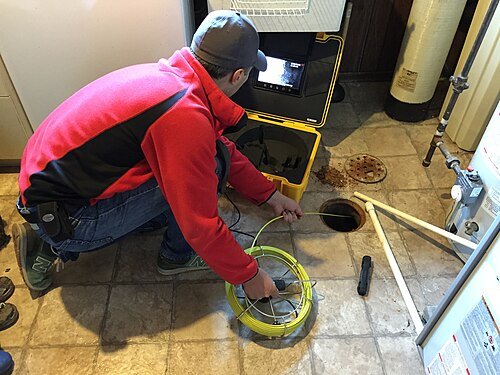
During a drain camera inspection, homeowners typically see the plumber feeding a small, waterproof camera into the cleanout access or directly through a drain opening. The process is non-invasive and doesn’t require any demolition inside the home. The plumber watches a live video feed, noting the location and type of any obstructions or damage.
Homeowners may be invited to view the footage in real time, giving them a clear understanding of the drain’s condition and the reason behind the recommended repair or cleaning approach. This transparency builds trust and helps homeowners make informed decisions about their plumbing maintenance.
After the inspection, the plumber explains the findings in plain language, outlines the best cleaning or repair strategy, and discusses any additional steps if significant damage is found. This approach, commonly used in Philadelphia, ensures that every cleaning or repair is tailored to the actual situation inside your pipes.
Conclusion
Insisting on a camera inspection before scheduling drain cleaning gives Philadelphia homeowners a clear advantage: it uncovers the true cause of drain problems and guides the most effective solution. When facing slow drains or backups, ask your plumber to perform a camera inspection so you can make decisions based on visible evidence and avoid unnecessary disruption or expense.