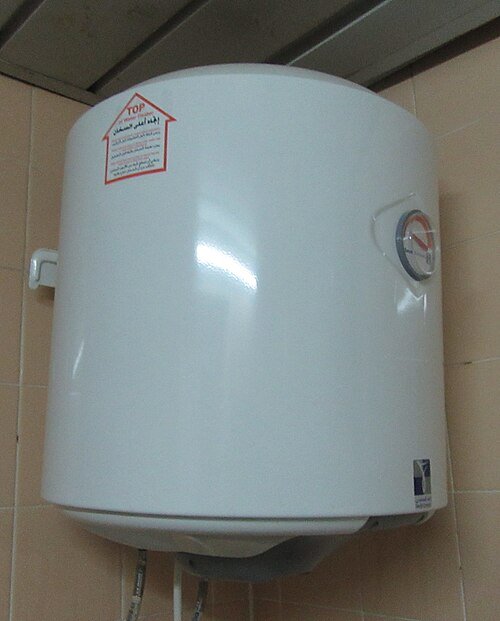
A failed hot water heater can disrupt daily routines in a Columbus home, leaving cold showers and mounting repair concerns in its wake. Homeowners searching for gas water heater replacement in Columbus, OH, quickly discover that local code requirements go far beyond simply swapping out an old tank for a new one. City rules address installation, safety, venting, and proper permitting—each designed to minimize fire, carbon monoxide, and water damage risks. Homeowners who understand these standards can avoid costly rework and ensure their installation passes inspection the first time.
Every step, from selecting the right replacement unit to hiring a local, licensed plumber, is shaped by the Columbus plumbing code and city-specific safety rules. Homeowners who try to cut corners or overlook key steps may face failed inspections, delayed occupancy, or even insurance issues if an incident occurs. Knowing what’s required not only protects property and personal safety but also helps make the installation process efficient and compliant. Here’s what every Columbus homeowner needs to know before starting a gas water heater replacement project.
Gas Water Heater Replacement Requirements in Columbus, OH
Swapping out a gas water heater in Columbus is more involved than simply disconnecting the old unit and connecting a new one. The City of Columbus requires replacement units to meet energy efficiency standards and have safety features such as a temperature and pressure relief valve. A common homeowner scenario is replacing a 40-gallon tank with a newer model that meets the updated minimum efficiency ratings set by the city and state.
The installation site matters as well. Water heaters in garages or basements must be elevated if located near the floor to prevent ignition of flammable vapors. Homeowners must also ensure that the chosen model is suitable for the available gas supply and venting system. Reviewing the residential plumbing requirements before purchasing helps avoid incompatible models and failed inspections.
Some properties in Columbus have unique requirements based on their age, location, or previous upgrades. For example, older homes may have venting or gas line configurations that are no longer up to code. Homeowners should have these details evaluated before scheduling a gas water heater replacement Columbus OH project.
Columbus Plumbing Codes for Gas Water Heater Installation
The Columbus plumbing code, which closely aligns with Ohio state rules, sets specific guidelines for gas water heater installation. Installers must use approved piping materials, maintain minimum clearances from walls and combustibles, and ensure proper combustion air supply. One key code detail: the shutoff valve for the gas line must be located within six feet of the water heater and be accessible for emergency use.
Gas water heaters must also include seismic strapping if required by the building’s structure, especially in multi-story homes. The code prohibits flexible connector pipes from passing through walls, floors, or ceilings. Homeowners can review the Columbus plumbing code requirements for a full list of installation standards and prohibited practices.
Any deviation from code—such as installing the heater too close to a wall or using unapproved vent pipe—can trigger a failed inspection. Certified plumbers are familiar with these requirements, reducing the risk of costly corrections or safety hazards.
Permits, Inspections, and Venting Standards for Homeowners
Every gas water heater replacement in Columbus, OH, requires a plumbing permit from the city. Homeowners or their contractors submit an application, which is reviewed before work begins. After installation, the city inspects the work to check for code compliance, focusing on venting, gas connections, and proper drainage for the relief valve.
Venting standards are a common stumbling block for DIY installers. Columbus code specifies that gas water heaters must vent to the outside using approved pipe materials, with proper slope to prevent condensation buildup. Improper venting can lead to dangerous carbon monoxide leaks inside the home. The city’s inspection process ensures these risks are addressed before the water heater is put into service.
For those hiring Plumbers in Columbus, OH, the process includes professional handling of permits and city inspections. These professionals also ensure all venting and gas line work meets code, providing homeowners with documented compliance for insurance and future resale needs. This step is especially important for gas water heater replacement Columbus OH projects where older venting systems may not meet current standards.
Hiring a Licensed Columbus Plumber for Water Heater Replacement
Columbus requires anyone replacing a gas water heater to be properly licensed and bonded, which protects homeowners from liability and ensures the installer understands the local code. When interviewing plumbers, ask for their license number and verify it through the city or state licensing board.
Licensed plumbers bring experience with common Columbus issues, such as aging gas lines or outdated venting systems. Many also provide a detailed quote that breaks down permit costs, code-required upgrades, and labor. This transparency helps homeowners budget accurately and avoid surprise expenses.
Choosing a licensed professional also means access to warranty protection and professional guidance on unit selection. For example, plumbers can recommend models that fit tight spaces or meet Columbus efficiency standards. Homeowners should confirm that the plumber will pull the required permits and schedule the city inspection as part of the service.
Conclusion
Review installation sites and confirm that any replacement plan meets Columbus code and permitting rules before signing a contract. Homeowners who start with a professional assessment can avoid common code violations and ensure their gas water heater installation proceeds smoothly from permit application to final inspection.