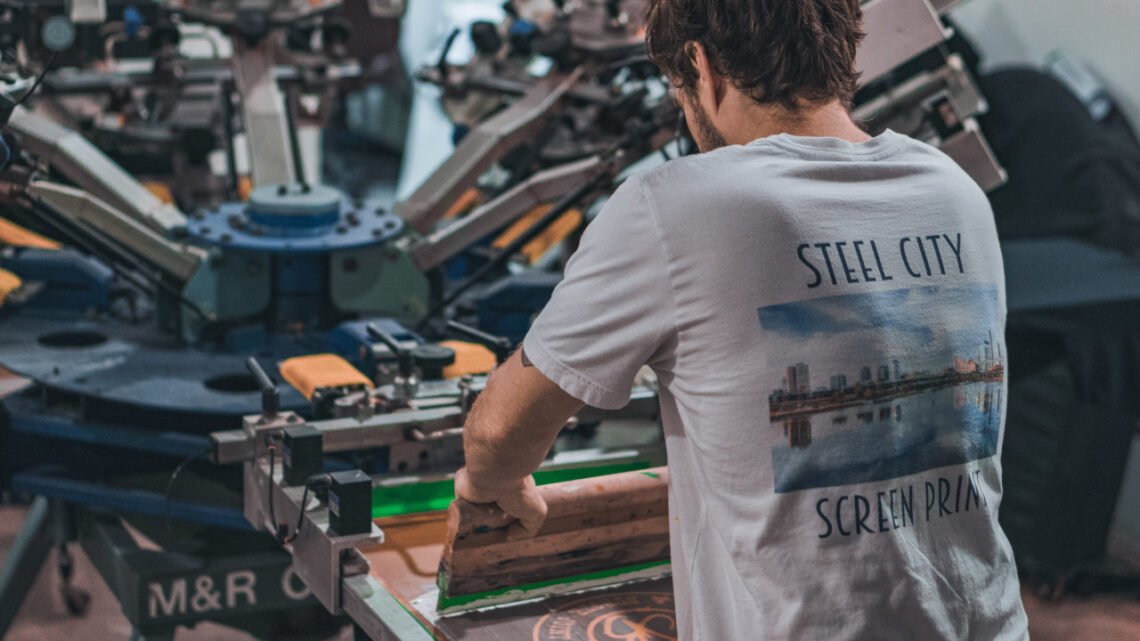
Operating an expanding print shop requires balancing machine scheduling, inventory staging, and strict quality control. Fulfilling an order for hundreds or thousands of decorated garments is completely different from running short on-demand jobs. When high-volume contracts arrive, unorganized intake workflows, unclear artwork separations, and messy warehouse logistics can quickly lead to misprints, missed ship dates, and squeezed margins.
Large-scale production runs require clear standard operating procedures at every stage. By standardizing digital art preparation, dialing in dryer curing profiles, and establishing predictable supply channels, commercial screen printers can fulfill major orders on time while maintaining high print standards.
Scheduling Pre-Press Procedures and Production Queues
The efficiency of a high-volume apparel run is determined long before the first shirt is pulled over a print platen. Incomplete artwork approvals, missing Pantone codes, or mismatched screen tensions can bring automatic presses to an unexpected halt, leading to costly downtime.
High-output decorators eliminate press bottlenecks by preparing screens, ink mixtures, and registration templates well before garments reach the staging floor. Setting up jobs offline keeps automatic presses spinning continuously, maximizing daily print throughput.
Digital Separations and Proper Screen Mesh Selection
Fleece textiles present unique printing challenges because their thick, knitted faces require careful balance between ink deposit thickness and detail clarity. Using the wrong screen mesh can lead to muddy halftones or thin, patchy ink coverage that demands slow double-strokes.
Underbase screens for fleece runs typically perform best on mesh counts between one hundred ten and one hundred sixty. This range lays down an opaque, consistent foundation that mats down loose yarn fibers without creating a thick, rubbery ink plate.
Detail screens carrying top colors require mesh counts ranging from one hundred eighty to two hundred thirty to maintain sharp edges and stop pinholing along fine line work.
Reliable Garment Sourcing for High-Volume Production
High-capacity automatic presses require blank garments with predictable dimensions and tight, flat knits. Production managers regularly choose Wholesale Sweatshirts for Printing because specialized print blanks feature smooth, lint-free faces designed to clear ink cleanly without surface fuzz contaminating screen emulsions.
Blanks featuring an eighty-twenty cotton-polyester construction with an outer face of one hundred percent combed, ring-spun cotton absorb liquid inks smoothly. This enables fine type and delicate gradients to cure evenly without loose surface fibers breaking through the ink film.
Using blanks engineered specifically for commercial printing keeps squeegees clearing cleanly, preventing frequent press stops for screen wipe-downs.
Calibrating Press Mechanics and Inks for Dark Fabrics
Managing dark textiles demands strict temperature control and ink chemistry oversight. When dark dyed fleece enters a high-temperature curing dryer, unstable fabric dyes can convert to gas, rising through the ink film and tinting white or light-colored artwork.
Print technicians must monitor flash units and conveyor dryers closely to gel underbases and cure top coats without triggering dye migration.
Handling Contrast on Dark Textiles
Dark garments remain the top-selling category for corporate gifts, band merchandise, and collegiate apparel lines. Decorating a staple item like a Wholesale Black Sweatshirt requires a high-opacity, flash-cured white underbase screen to keep top colors clean and vibrant.
Without a solid barrier layer, yellow, red, and light blue inks will sink into dark fibers, coming out dull and uneven after drying.
Print technicians frequently use low-bleed, low-cure plastisol inks to drop conveyor dryer temperatures by thirty to forty degrees. Curing ink films at lower heat levels stops polyester dye gassing before it starts while keeping finished prints soft, light, and flexible across the chest.
Machine Loading Precision and Registration Consistency
Manual printing presses rely heavily on operator stamina and visual alignment, which naturally drift across twelve-hour production shifts. High-volume runs require multi-station automatic presses equipped with laser alignment guides to ensure uniform graphic placement.
Pallet adhesives must be reapplied consistently to prevent thick fleece from shifting between the underbase print, flash cure, and top color stations.
Maintaining stable platen tack prevents registration drift, ensuring that every shirt in a multi-thousand-piece run displays identical print alignment.
Warehouse Logistics and Supply Chain Coordination
High-volume apparel printing requires steady blank inventory and predictable freight logistics. Running out of critical mid-sizes halfway through a production run idles expensive machinery, disrupts scheduling, and puts client delivery commitments at risk.
Establishing strong relationships with verified commercial suppliers protects print operations from sudden warehouse stockouts during busy fall and holiday cycles.
Dependable Stock Access with Simplstc Apparel
Commercial printing businesses need inventory partners who provide real-time stock visibility and dependable freight handling. When suppliers show inaccurate warehouse counts, print shops face frantic garment substitutions and delayed distribution dates.
Working with dependable blank apparel sources like Simplstc Apparel gives print operators and brand managers steady access to first-quality fleece blanks across core size distributions. Sourcing inventory through verified distribution channels via simplstcapparel.com allows production managers to plan automatic press schedules around verified warehouse counts and predictable transit timelines.
Receiving consistent inventory shipments gives your print team the confidence to book large corporate contracts without worrying about inventory gaps.
Systematic Intake and Carton Inspection Protocols
Establishing a clear intake procedure when delivery trucks arrive protects print shops from expensive decorating mistakes. Once a blank garment runs under an automatic press squeegee or embroidery frame, blank distributors cannot accept it for return.
Unpack sample boxes from each size run to check neck tags, sleeve lengths, and seam stitching before sending garments to the staging tables. Look for needle holes, loose shoulder threads, or irregular collar ribbing that could affect the final product.
Catching rare factory defects before printing starts protects your bottom line and maintains high quality across the entire customer order.
Post-Press Finishing and Distribution Staging
A professional print job extends beyond cured ink deposits. Delivering thousands of loose, wrinkled garments in unorganized boxes creates distribution chaos for client event teams and retail fulfillment centers.
Establishing automated post-press finishing steps adds retail value and streamlines final handoffs.
- Inline folding and poly-bagging machines protect printed graphics from scuffs and moisture during transport.
- Outer carton labeling with high-contrast size stickers and barcodes makes warehouse check-ins fast and accurate for receiving staff.
- Removing tearaway manufacturer labels and screen printing customized interior neck tags adds an immediate layer of retail polish.
- Palletizing finished cartons by single size runs prevents sorting bottlenecks at destination event venues and distribution centers.
Building Repeat Value Through Production Discipline
Fulfilling large-scale apparel printing orders efficiently requires balancing careful artwork setup, disciplined press mechanics, dependable blank sourcing, and clean post-press packaging. Rushing pre-press checks or cutting corners with low-grade blanks inevitably leads to misprints, ruined garments, and costly reprints.
By investing in print-ready fleece blanks and partnering with verified wholesale suppliers, commercial print operations can scale their output smoothly and maintain healthy profit margins.
A well-executed bulk printing workflow transforms complex custom orders into repeatable, profitable production runs that earn long-term client loyalty.





One comment on “How Printing Businesses Manage Large Apparel Orders Efficiently”