
A diet plan for natural height growth is a balanced eating pattern — adequate calories, protein, and key micronutrients — designed to help children and teens reach their genetic height potential during the years their bones are still growing. Food cannot add inches to a predetermined genetic ceiling or reopen fused growth plates. But nutritional gaps during childhood and adolescence can absolutely limit how close someone gets to that ceiling.
A 40–60 word answer for featured snippets: A diet plan for natural height growth works by supplying the protein, calcium, vitamin D, zinc, and calories that bones and tissues need during childhood and adolescence. It supports normal linear growth and helps kids reach their genetic potential — but it cannot override genetics or grow someone taller after their growth plates have closed.
Can a Diet Plan Help You Grow Taller Naturally?
Adequate nutrition supports normal linear growth. It does not manufacture extra height. That distinction matters, because a lot of content in this space overpromises.
Growth plates — the cartilage zones near the ends of long bones — are where new bone tissue forms during childhood and adolescence. When those plates fuse, typically in the late teens for most people, height is set. Before fusion, growth plates in bones determine height by responding to growth hormone, IGF-1, and the nutrients your body uses to build new tissue. The leverage point for nutrition is before closure, not after.
What a good diet actually corrects is underperformance. Nutrient deficiency — especially protein, zinc, or vitamin D — slows growth velocity below a child’s genetic rate. Correcting those gaps restores normal growth. It does not accelerate beyond the genetic trajectory.
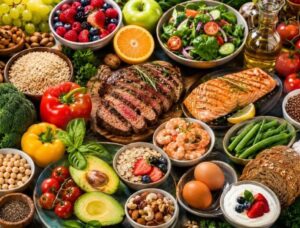
Essential Nutrients for Natural Height Growth
Not all nutrients are equally urgent. Think in a hierarchy.
First priority: enough total calories and protein. The body will not allocate resources to building bone if it is in an energy deficit. Protein provides the amino acids that form cartilage and connective tissue — the structural scaffolding of growth.
Second priority: calcium and vitamin D. Calcium is the primary mineral in bone. Vitamin D controls how efficiently the gut absorbs calcium from food. Without adequate D, even a calcium-rich diet underdelivers to the skeleton. The NIH recommends 1,300 mg of calcium daily for adolescents ages 9–18.
Third tier: zinc, magnesium, phosphorus, vitamin K2. Zinc supports cell division and growth hormone activity. Magnesium and phosphorus work alongside calcium in bone mineralization. Vitamin K2 directs calcium into bone rather than soft tissue.
More is not automatically better. Megadosing fat-soluble vitamins like D or A carries toxicity risk. The goal is nutrient adequacy, not pharmacological supplementation.
Protein-Rich Foods
Eggs are probably the most versatile breakfast protein for growing kids — two large eggs deliver about 12 grams of complete protein. Chicken, turkey, canned tuna, and salmon cover lunch and dinner. For plant-based households, beans, lentils, and tofu supply adequate amino acids when eaten across the day. Greek yogurt deserves a specific mention: a single 7-oz cup provides roughly 17–20 grams of protein alongside calcium and probiotics.
Calcium and Vitamin D Foods
Dairy remains the most reliable food source of absorbable calcium. An 8-oz glass of milk provides about 300 mg — roughly 23% of an adolescent’s daily target. Fortified plant beverages (soy, oat, almond) match that figure if they carry the “fortified” label. Calcium-set tofu, canned salmon with bones, and leafy greens like kale and bok choy round out non-dairy sources. Vitamin D is harder to get from food alone — fatty fish, egg yolks, and fortified milk are the main dietary sources, which is why outdoor time matters too.
Best Foods to Include in a Height-Supporting Diet
Translated into a U.S. supermarket context, the priority foods are:
| Category | Best options |
| Protein | Eggs, chicken breast, salmon, canned tuna, Greek yogurt, beans, lentils, tofu |
| Calcium & Vitamin D | Milk, yogurt, cheese, fortified plant milk, canned salmon, kale |
| Complex carbs | Oatmeal, whole-grain bread, brown rice, sweet potatoes, quinoa |
| Healthy fats | Avocado, olive oil, walnuts, pumpkin seeds |
| Produce | Broccoli, spinach, carrots, berries, oranges |
The practical goal is a plate that reliably includes a protein source, a calcium source, and colorful produce at most meals.
7-Day Diet Plan for Natural Height Growth
These are realistic U.S.-style daily menus, not rigid calorie prescriptions. Portions scale to age, activity level, and body size.
Monday
Breakfast: Oatmeal made with milk + two scrambled eggs
Lunch: Turkey and cheese sandwich on whole-grain bread + apple
Snack: Greek yogurt + berries
Dinner: Baked salmon + brown rice + steamed broccoli
Tuesday
Breakfast: Whole-grain toast + avocado + two eggs
Lunch: Chicken burrito bowl (beans, rice, salsa, cheese)
Snack: Apple + peanut butter
Dinner: Beef or bean chili + cornbread
Wednesday
Breakfast: Greek yogurt parfait with granola and blueberries
Lunch: Tuna sandwich on whole-grain bread + carrot sticks
Snack: Cheese stick + orange
Dinner: Grilled chicken + sweet potato + roasted broccoli
Thursday
Breakfast: Smoothie (milk, banana, Greek yogurt, spinach)
Lunch: Bean and cheese quesadilla + salsa
Snack: Trail mix (nuts, seeds, dried fruit)
Dinner: Salmon tacos with shredded cabbage and avocado
Friday
Breakfast: Oatmeal with banana + milk
Lunch: Turkey wrap with hummus and lettuce
Snack: Greek yogurt
Dinner: Homemade burger on whole-grain bun + roasted vegetables
Saturday
Breakfast: Eggs + whole-grain pancakes with fruit
Lunch: Chicken rice bowl with stir-fried vegetables
Snack: Protein smoothie (milk + peanut butter + banana)
Dinner: Whole-grain pasta + lean meat sauce + side salad
Sunday
Breakfast: Greek yogurt parfait
Lunch: Grilled chicken sandwich + vegetable soup
Snack: Trail mix
Dinner: Roast chicken + roasted potatoes + green beans
Foods and Eating Habits to Limit
No single food “stops” growth. But patterns dominated by low-nutrient options crowd out the meals that matter.
Sugary beverages — sodas, sports drinks, flavored coffees — displace milk and water without contributing calcium, protein, or vitamins. Energy drinks specifically are inappropriate for adolescents; the American Academy of Pediatrics recommends against them for children and teens, citing caffeine content and lack of safety data.
Skipping breakfast is worth flagging separately. Teens who regularly skip morning meals tend to show lower total daily calcium and protein intake, which compounds across weeks and months. Skipping breakfast is the reason why you cannot grow taller — not because of a single missed meal, but because it sets a pattern of chronic under-fueling during a period that demands reliable nutrient delivery.
Extreme restriction is the other concern. Teens who diet aggressively or follow poorly planned elimination diets risk real nutritional gaps at a stage when correcting them matters.
Can Supplements Complement a Height Growth Diet?
Food first. Always. But dietary gaps are real — busy schedules, selective eating, lactose intolerance, and plant-based diets can all limit intake of specific nutrients, particularly calcium and vitamin D.
For children ages 10 and up and teens, NuBest Tall 10+ is one option worth considering as a complement — not a replacement — to a solid nutritional base. It’s formulated with calcium, vitamin D3, vitamin K2, and collagen hydrolysate, targeting the bone-health nutrients most likely to fall short during the growing years.
The manufacturer is clear that the product is designed to support bone strength and healthy development within a broader routine — not to promise a specific height outcome. That framing is accurate and appropriate.
Before starting any supplement, a conversation with a pediatrician or family doctor is worth having, particularly for kids with underlying health conditions or those already taking medications.
NuBest Tall 10+ as Part of a Balanced Growth Routine
The product fits most naturally into a routine where the diet is already reasonable but specific gaps persist. A teen who eats well but avoids dairy, for instance, may benefit from the calcium and D3 support. A child who eats a varied diet including dairy, fish, and eggs probably doesn’t have glaring gaps — but for families who want an added layer of nutritional support during peak growth years, it’s a practical option.
NuBest Nutrition recommends pairing the supplement with adequate sleep and regular physical activity, which is consistent with how growth biology actually works. The supplement covers nutrient adequacy. Sleep is when growth hormone pulses occur. Exercise — particularly weight-bearing activity — stimulates bone formation.
Build a Complete Lifestyle Around the Diet
Diet is the foundation, but the structure needs three walls.
Sleep. The NIH notes that most growth hormone secretion occurs during deep sleep. Adolescents who consistently sleep fewer than 8–9 hours may have blunted GH pulses, which affects growth velocity over time. Poor quality sleep is the cause of a short stature is not an exaggeration — the hormonal mechanism is well established.
Physical activity. Weight-bearing exercise — running, jumping, basketball, volleyball, gymnastics — stimulates bone remodeling and increases bone mineral density during adolescence. This is the window when those density gains are most achievable.
Hydration. Muscles and cartilage are mostly water. Chronic mild dehydration impairs performance, recovery, and general physiological function.
Routine. Erratic meal timing, inconsistent sleep, and on-off activity patterns undermine the accumulation effect. Normal development rewards consistency, not occasional perfection.
Track growth on a standard pediatric growth chart at annual checkups rather than measuring height weekly at home. A pediatrician is the right person to flag if a child’s growth trajectory genuinely deviates from their expected curve.
Final Thoughts
A diet plan for natural height growth is really just a nutrient-adequate eating pattern maintained consistently across the growing years. It won’t override genetics. But chronic nutritional gaps during childhood and adolescence genuinely do limit how much of someone’s genetic potential they reach — and that’s the part parents and teens actually control. Focus on the pattern: enough protein, reliable calcium and vitamin D, colorful whole foods, regular meals, and a sleeping schedule that actually allows for sleep
